Stock pots and casseroles
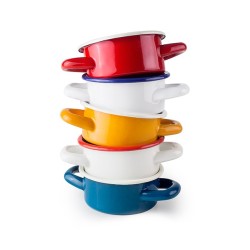

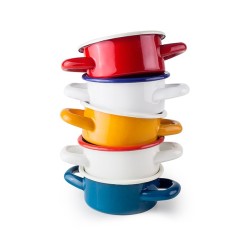
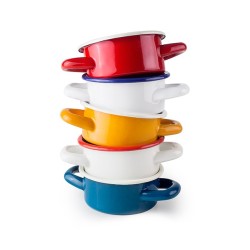
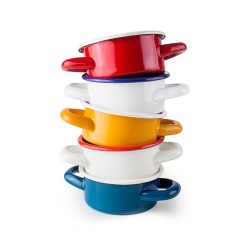


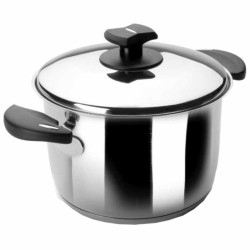
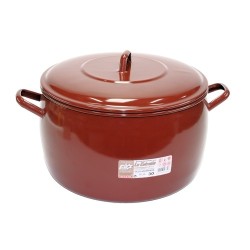

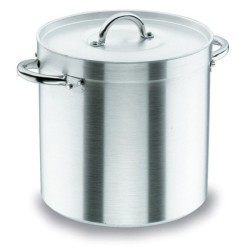
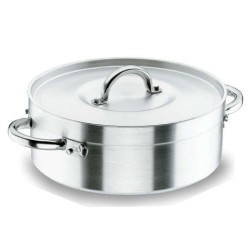
Discover Hiperchef's range of professional stockpots, casserole pans and rondeaux, your kitchenware shop since 1977. Equipping a kitchen with the right pots and pans is the foundation for consistent results, whether in a restaurant with daily service or a home where cooking is taken seriously. Each format — stockpot, casserole pan or rondeau — has a specific purpose, and choosing well means cooking better, faster and with less effort.
Materials and types of stockpots, casserole pans and rondeaux
The choice of material determines performance, durability and the type of cooking you can do. At Hiperchef we work with the three benchmark materials in professional cooking so you can find exactly what you need.
Stainless steel stockpots and casserole pans
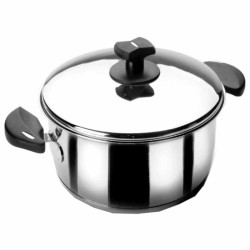
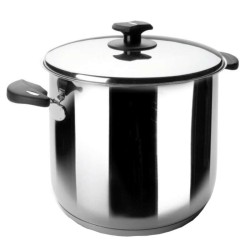
18/10 stainless steel is the standard in catering. It doesn't react with acidic foods, resists corrosion, cleans easily and keeps its appearance through years of intensive use. Stockpots and casserole pans with a thermal diffuser base or tri-ply construction (aluminium encapsulated between two layers of steel) distribute heat evenly, avoiding hot spots that scorch sauces or bases. It is the ideal material for stocks, sauces, reductions, stews and any cooking where the neutrality of the pan matters.
Cast aluminium stockpots and casserole pans
Cast aluminium stands out for its excellent thermal conductivity and its light weight. It heats up quickly, spreads heat evenly and makes continuous handling easier in kitchens with a fast pace of service. Unlike stamped aluminium (thinner and cheaper), cast aluminium is poured into moulds at high temperature, which produces thicker pieces that resist warping and have a longer service life. It is the usual choice for casserole pans and rondeaux for demanding semi-professional and home use.
Cast iron stockpots and casserole dishes
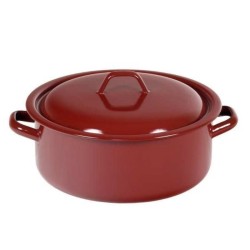
Enamelled cast iron retains heat exceptionally well. It is the perfect material for slow stews, braises, casseroles and prolonged cooking over low heat. Cast iron casserole dishes and pans can go from hob to oven without any trouble and keep their temperature during service at the table. Their weight and their ability to store heat make them irreplaceable pieces for techniques that call for slow, even cooking.
Rondeaux and shallow casseroles
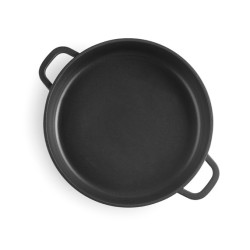
The rondeau, or shallow casserole, is a wide-diameter pan with low sides, designed for sofritos, rice dishes, sautés and stews that need even evaporation and a large cooking surface. It is a key piece in Mediterranean and professional cooking, complementing the classic stockpot and casserole pan.
Buy professional-quality stockpots, casserole pans and rondeaux
At Hiperchef we select every piece in our catalogue to offer the best balance of quality, durability and price. We work with benchmark manufacturers such as Lacor, Pujadas, De Buyer, Sitram, Inoxibar and Ibili. Whether you need a 50-litre industrial stockpot for a canteen or a complete cookware set for your home, you'll find pieces built to last and to perform at their best. We've been equipping professional kitchens across Spain since 1977 and we know every product we sell.
Frequently asked questions about stockpots, casserole pans and rondeaux
What is the difference between a stockpot, a casserole pan and a rondeau?
The stockpot is a tall, deep pot, ideal for boiling, making stocks and cooking large volumes of liquid. The casserole pan is lower and wider, with one or two handles, designed for stews, sauces and cooking where you need to stir frequently. The rondeau (or shallow casserole) is a wide-diameter pan with low sides, perfect for sofritos, rice dishes and stews that need even evaporation. In professional catering, each format performs a specific function that optimises time and results.
Which material is best for a professional kitchen: stainless steel, aluminium or cast iron?
It depends on how you use it. 18/10 stainless steel, such as that in the Lacor or Pujadas ranges, is the standard in catering for its durability, corrosion resistance and ease of cleaning. Cast aluminium stands out for its excellent thermal conductivity and light weight, ideal for fast cooking and continuous handling. Enamelled cast iron, such as the De Buyer or Lacor casserole dishes, retains heat exceptionally well and is perfect for slow stews, braises and prolonged low-heat cooking. In high-performance kitchens it is common to combine all three materials depending on the dish.
How do I know whether a stockpot or casserole pan is induction compatible?
To work on induction hobs, the base of the pan must contain ferromagnetic material. In our catalogue, the vast majority of stainless steel stockpots and casserole pans from brands such as Lacor, Pujadas, Sitram or De Buyer incorporate a tri-ply or thermal diffuser base compatible with induction. You can check this on each product's page, where compatibility with all types of hob is stated. Pieces made of pure aluminium or copper without a magnetic base won't work on induction unless they include an integrated ferromagnetic disc.
What stockpot capacity and diameter do I need for my professional kitchen?
As a general guide, for a restaurant of 40-60 covers we recommend having stockpots of 20 to 50 litres for stocks, casserole pans of 24-32 cm for sauces and side dishes, and rondeaux of 28-36 cm for sautés and rice dishes. If your establishment has a higher volume, we have industrial stockpots of up to 100 litres. The ideal approach is to size your cookware according to the number of daily services and the type of menu; our team can advise you with no obligation.
What advantages does a thermal diffuser or tri-ply base offer in a professional stockpot?
The thermal diffuser base consists of a layer of aluminium or copper encapsulated between two layers of stainless steel. This construction distributes heat evenly across the whole base, avoiding hot spots that burn food. In practice, this means sauces that don't stick, stocks that reduce evenly and notable energy savings. Brands such as Lacor (Profesional series) and Pujadas use this system in their catering lines, and it also guarantees compatibility with every type of hob, including induction.
Is it worth buying a complete cookware set or is it better to buy individual pieces?
Buying a complete set is usually more cost-effective than buying the pieces separately, as the price per unit is lower and all the pieces share the same design and materials. It also ensures that lids and accessories are compatible with one another. For a standard home, a set of 5 to 8 pieces covers the basic needs; if you cook for more people, one of 9 pieces or more, such as the Ibili Kompakto, offers greater versatility. It only makes sense to buy individual pieces if you already have part of the equipment or you're looking for specialised pieces from brands such as De Buyer or Lacor.
How should I care for and clean my professional stockpots and casserole pans?
For stainless steel, avoid metal scourers and use non-abrasive cleaners; limescale marks can be removed with a mix of water and vinegar. Aluminium should not be washed in an industrial dishwasher with strong alkaline detergents, as they darken the material. Enamelled cast iron is cleaned with hot water and mild washing-up liquid, without sudden temperature changes that could damage the enamel. In every case, drying well after washing and storing with protectors between pieces significantly extends the life of your cookware.
What is the difference between cast aluminium and stamped aluminium?
Cast aluminium is poured into moulds at high temperature, which produces thicker, heavier pieces that resist warping. It distributes heat more evenly and copes better with intensive daily use. Stamped aluminium, by contrast, is made by pressing thin sheets, so it is cheaper but less durable. For home or semi-professional cooking, cast aluminium is always the more advisable option.
Is it worth investing in professional-grade stockpots over domestic ones?
Absolutely. Professional-grade stockpots and casserole pans from manufacturers such as Lacor, Pujadas, De Buyer or Sitram are designed to withstand intensive daily use: heavier-gauge materials, reinforced rivets, ergonomic handles that withstand high temperatures and bases optimised for industrial kitchens. While domestic cookware can deteriorate within months of professional use, a well-maintained catering stockpot lasts decades. The initial investment is quickly repaid through durability, thermal performance and consistent results.
What special types of pan do you offer besides classic stockpots and casserole pans?
Our catalogue includes couscoussiers for traditional steam cooking, ceramic and cast iron tagines, enamelled casserole dishes ideal for braising and serving straight to the table, steamer pans with a built-in basket, and earthenware dishes for traditional stews. We also stock polished iron and enamelled steel paella pans from brands such as Garcima, in diameters from individual portions to events for large groups. All these formats are available in qualities suitable for continuous professional use.
Related posts

