Saucepans
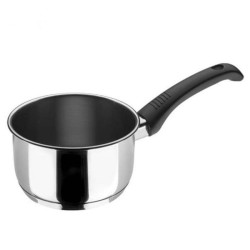

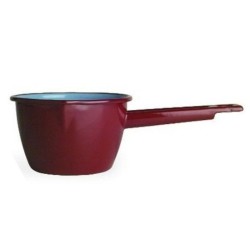

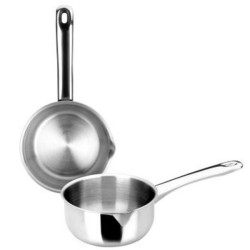

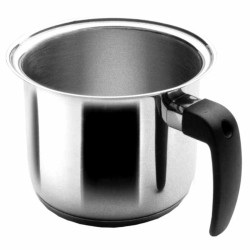
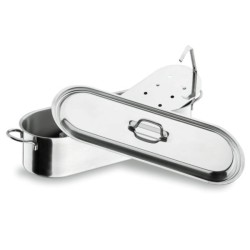
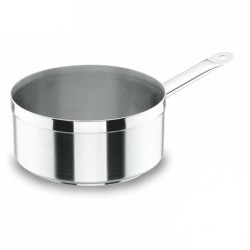
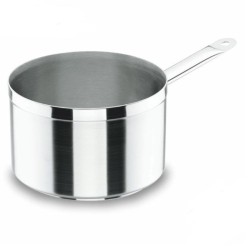
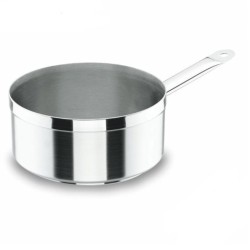
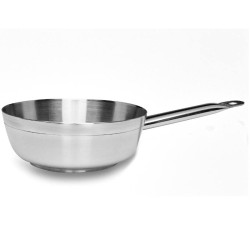
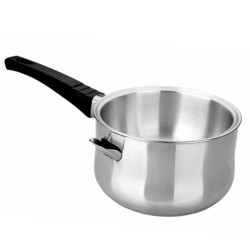
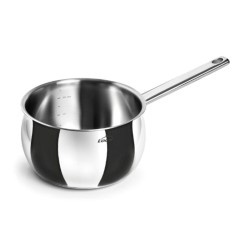
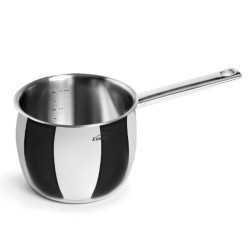
Saucepans, pots and milk pans are essential cookware in any professional or home kitchen. At Hiperchef you'll find a wide selection in stainless steel, aluminium and copper, in a range of diameters and capacities, for sauces, stocks, milk and all kinds of stovetop cooking.
Types of saucepan and cooking pot
Kitchen saucepans
Shallow with a long handle, they're perfect for making sauces, melting butter or chocolate, warming milk and preparing small quantities with complete control.
Pots and deep saucepans
Deeper than a traditional saucepan, pots are designed for cooking pulses, pasta, stocks and stews, using their height for greater liquid capacity.
Milk pans and milk boilers
Designed to boil milk and liquids without boiling over, many feature a pouring spout for serving with ease and precision.
Materials: stainless steel, aluminium and copper
18/10 stainless steel stands out for its hygiene and durability; aluminium heats up quickly and is very lightweight; and copper offers outstanding conductivity and heat control for baking and fine cuisine. If you cook with induction, make sure the saucepan has a compatible diffuser base.
Saucepan and pot brands at Hiperchef
We stock leading cookware brands such as Lacor, Inoxibar, De Buyer, Pujadas and Vollrath, with options for heavy-duty professional use and for the home.
Frequently asked questions about saucepans, pots and milk pans
What's the difference between a saucepan, a pot and a milk pan?
A saucepan is a small, shallow pan with a long handle, ideal for sauces, melting butter or warming small quantities. A pot is taller and deeper, designed for cooking pulses, stocks or stews. A milk pan (or milk boiler) is designed to boil milk and liquids, often with a spout and extra height to stop it boiling over.
Which material is best for a saucepan?
18/10 stainless steel is the most recommended in catering for its strength, hygiene and durability. Aluminium conducts heat very well and is lightweight, ideal for heating up quickly. Copper offers exceptional temperature control and is the favourite in baking and fine cuisine. Each material has its advantages depending on the use.
Are stainless steel saucepans suitable for induction?
Only if they have a diffuser base or magnetic bottom compatible with induction. Most quality professional stainless steel saucepans have a sandwich-type base suitable for all hobs, including induction. It's always worth checking the product's technical specification to confirm it states induction compatibility.
What size of saucepan do I need?
Saucepans are measured by their diameter and capacity. For sauces and small preparations, diameters of 12 to 16 cm are enough; for heating stocks or cooking portions, 18 to 20 cm. In professional kitchens it's common to have a set of several diameters to cover every service need.
How do you care for a stainless steel saucepan?
Avoid adding salt to cold, unboiled water (it can pit the steel), don't use abrasive metal scourers and dry it well after washing. For stains or limescale marks, vinegar or a dedicated stainless steel cleaner works very well. Good care keeps the shine and extends its working life.
Can I put a metal saucepan in the oven?
It depends on the handle. Saucepans made entirely of stainless steel or with a riveted metal handle are usually oven safe; those with a Bakelite or plastic handle should not be put in the oven. Always check the manufacturer's guidance on the maximum temperature allowed.
Related posts
